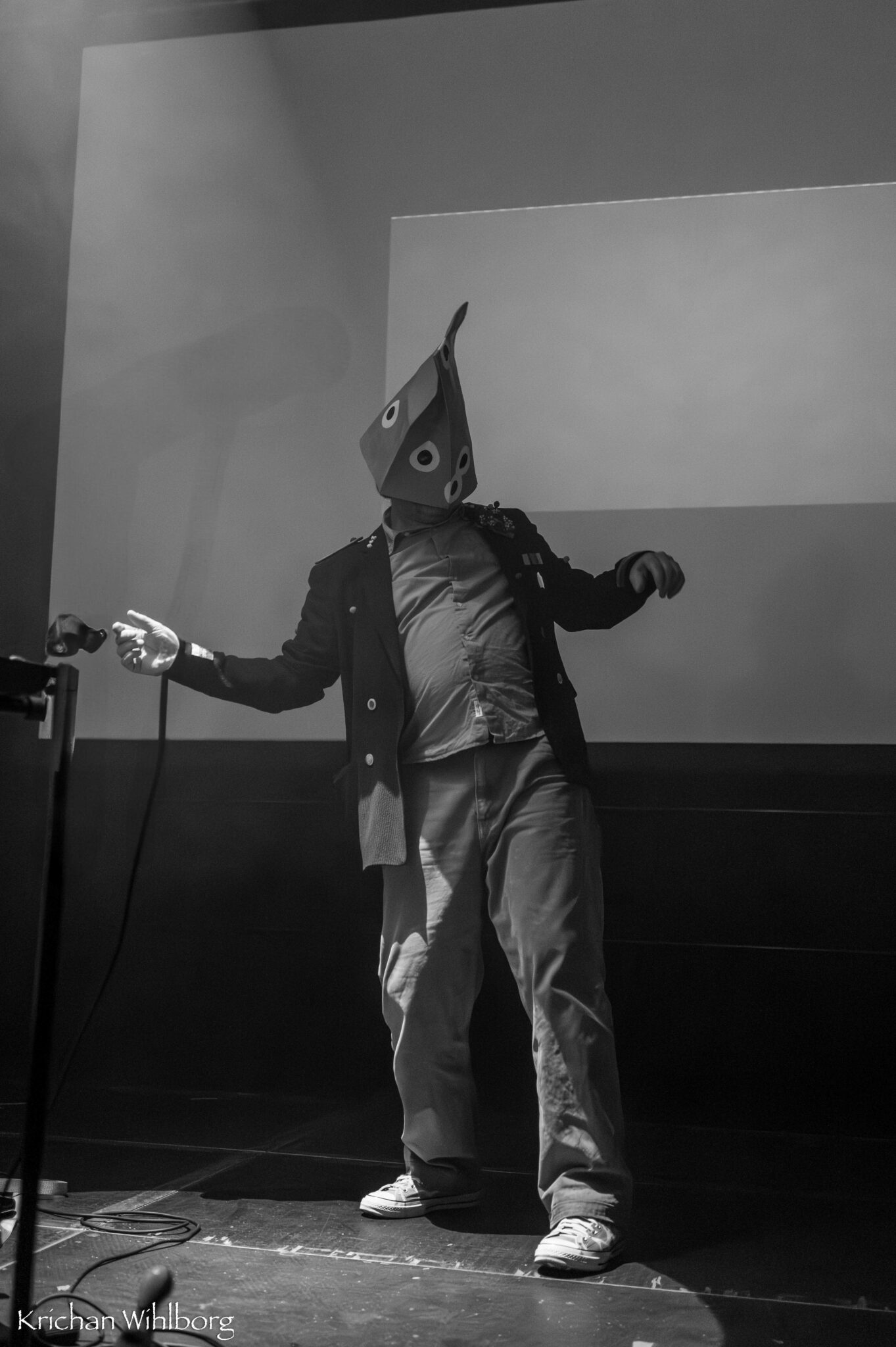
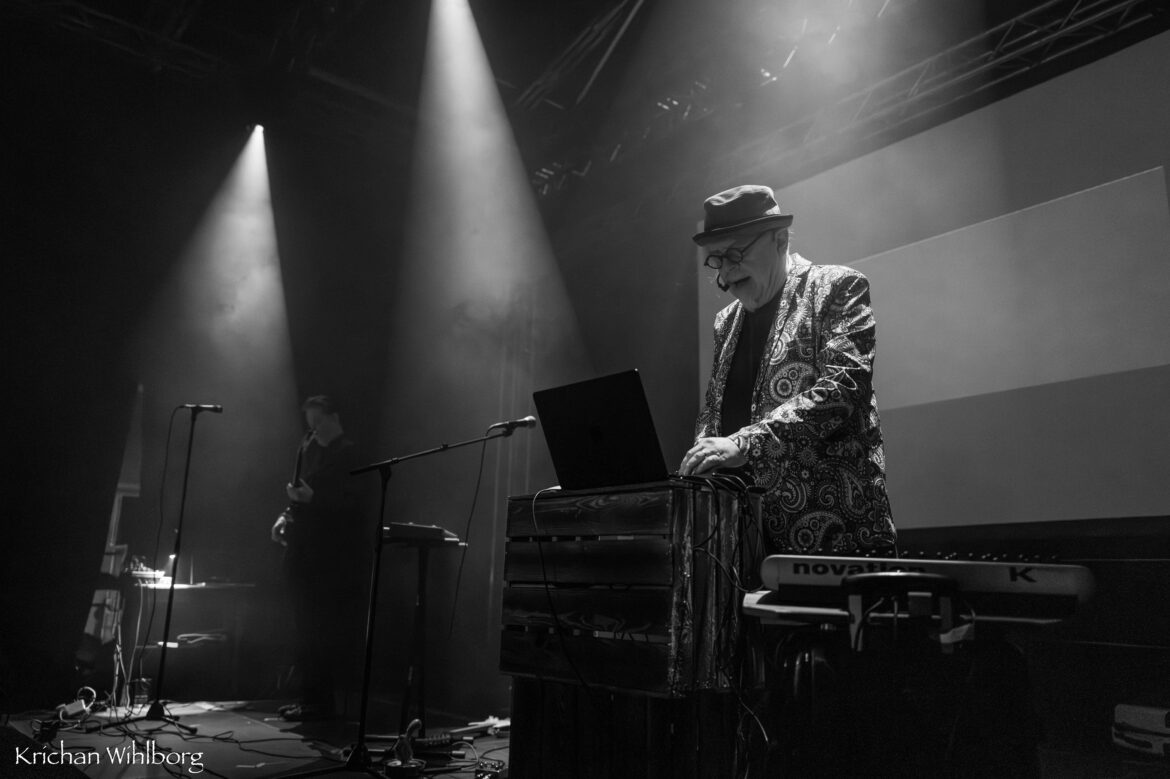
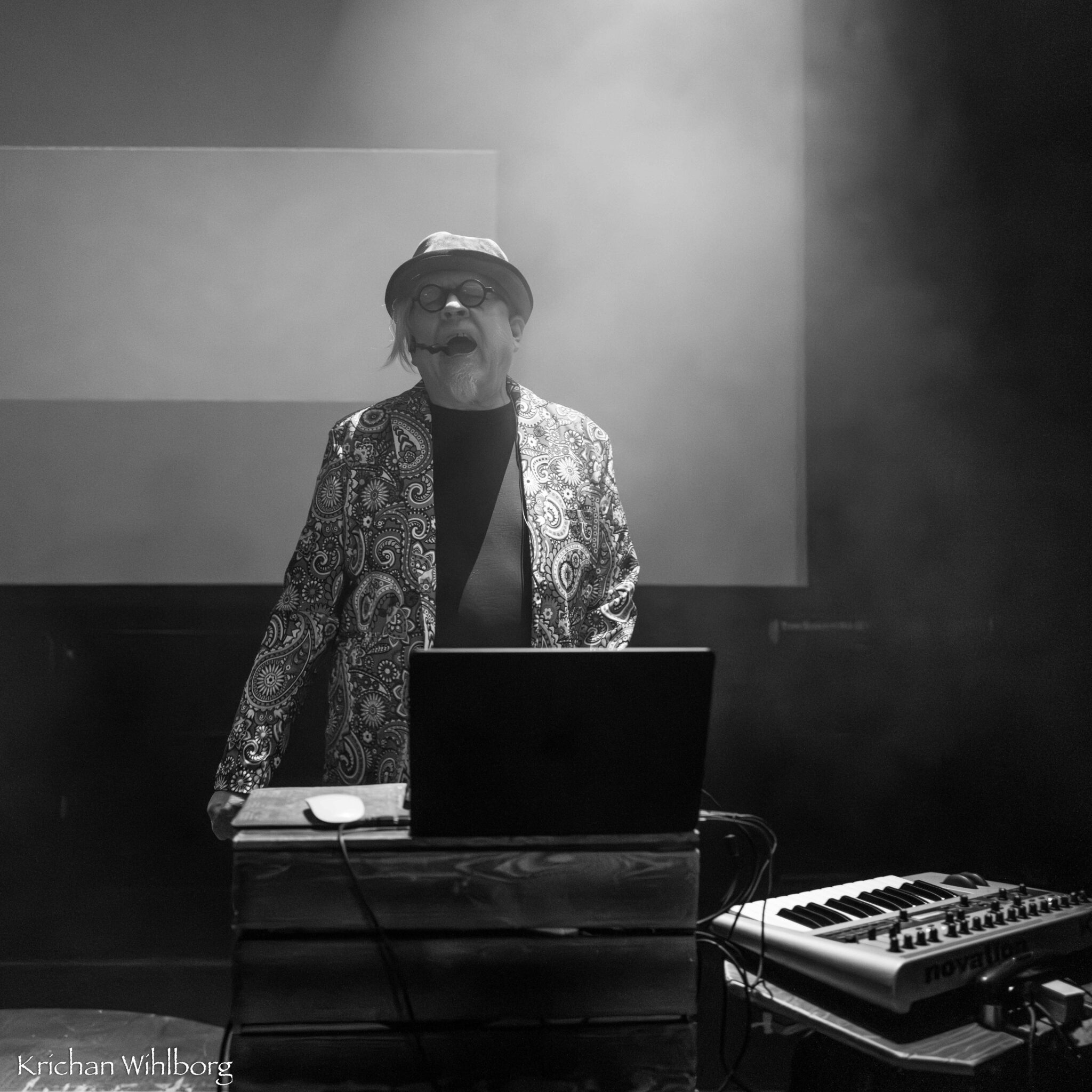
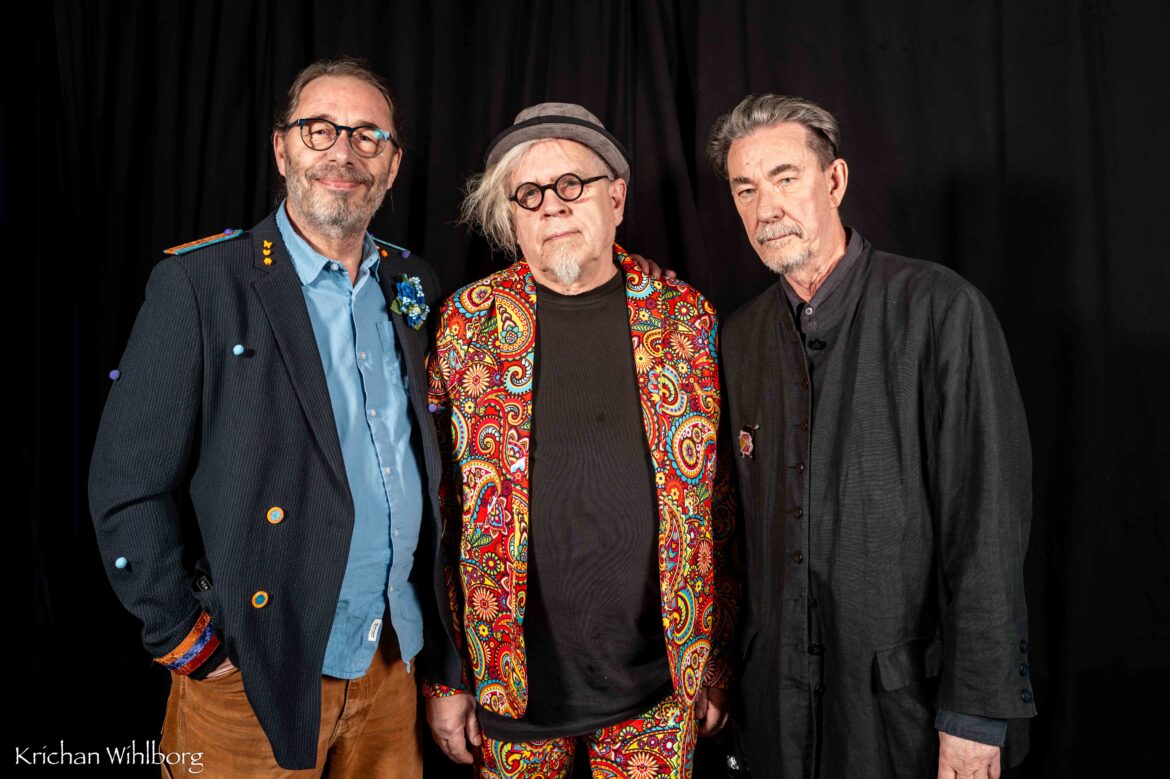
Some records feel built for the day. Eight Songs Evoked In Winter Sleep belongs to that hour just before waking, when the room is still there but the mind has already started drifting somewhere stranger. That is the album’s real achievement: not simply that it sounds atmospheric, but that it sustains a dream-state with enough shape and control to feel inhabited rather than vague.
Dan Söderqvist’s solo work has always carried a strong imaginative charge, and his history with Twice a Man and Cosmic Garden Project gives that impulse some context. Still, the proof is in the sound itself. Across these eight songs, the record keeps returning to sleep, winter, memory, landscapes, and altered perception until they stop reading like motifs and start feeling like the matrix the whole album moves inside.

On “The Blue Owl,” Söderqvist opens a world of strange flowers, Japanese pines, heavenly caverns, and dream logic, but the imagery lands because it feels connected to a state of mind rather than piled up for effect. “The Silence Remains” works the same way: placing meditation, coloured sand, smiling flowers, and drifting objects into a setting that feels less psychedelic in the decorative sense than one inwardly suspended – like a thought stretching out as you lie half-awake.
That is where the album is strongest. It does not treat dream imagery as licence for anything-goes abstraction. The songs keep enough contour that the listener can follow their emotional pressure even when the literal meaning stays blurred. “Space Melancholia” is a good example; because, beneath the silver streams and surreal eyes, there is a plain sadness at work. The dream is not there to escape feeling – it is the form the sensations take.
“Two Futures” widens the frame without breaking the spell. Its split vision of frozen migration, black forests, dangerous rays, and then yellow-green meadows and slumbering bees could have been heavy-handed, but Söderqvist keeps it light enough that it plays like one of those dreams where catastrophe and renewal sit only a few steps apart. The track gives the album a narrative hinge while drenching it in atmosphere.
The middle run deepens the record’s trance rather than merely extending it. “By the River Tech” has the mild uncanniness of looking out of a window and suddenly feeling that the season itself is thinking back at you. “Dive into Spirals” is more bodily and submerged, full of movement across skin, air, mist, and cloud, and it catches that rare dream sensation of danger and comfort arriving together. Those are the moments where the album’s interior world feels most complete.
Even “Like a Rainbow,” one of the more direct pieces here, keeps the tone hushed rather than sentimental. Childhood traces, rain, gasoline colours in water: the song understands that memory in dreams is rarely narrative. It arrives as flashes, surfaces, and imprints. Söderqvist trusts those fragments, and Helena Espvall’s cello keeps them dancing on the slightest of breezes.
The closing “Dvala” is the album in concentrated form. Atomic sounds under snow, seagulls, plague-signs, closed eyelids, distant moons – it gathers the record’s symbols into something that feels both exhausted and strangely lucid. By that point, Eight Songs Evoked In Winter Sleep has evolved its own private language.
Eight Songs Evoked In Winter Sleep succeeds because its dream-like quality is not cosmetic; it is structural, emotional, and sustained from the first track to the last. It does not just gesture toward sleep, reverie, and winter stillness – it lives there.


 If you’re going to call your band Cosmic Overdose, you’re going to have to deal with some preconceptions. The first is that you are a bunch of hippies, sitting in fairy rings and tripping on mushrooms. The second is that your material consists of overblown guitar solos. If your music is actually varied and complex, inspired by dada, punk and experimental electronics, and you are meant to be warming up for New Order, then it might be time to rethink the name.
 If there is a surprise in the recently issued
  The first album they shared with the world was Dada Koko. From the opening number, “Investera i Framtida,” with its synthetic waves, it was clear that something new was being born. “Modern Dadaister” isn’t a million miles from XTC’s jerkier sound, when it starts, before growing into something trippier. There is a moment of calm in the arc of the album before “Tanten” explodes with a burst of dark energy. The Arp synth returns on the album closer, “
 The second album, 4668, showed that the Swedes had absorbed something from Joy Division. As the Manchester doom-meisters had done, Cosmic Overdose were starting to push through the punk chrysalis to emerge as something more electronic. Their transformation into Twice a Man would put them at the forefront of the Swedish synth scene and keep them in its top tier for a generation. In the meantime, fans had the brooding “Android,” the well-crafted “Nina Fontanell” and the charming “Liten Storsint” to contemplate.
 The third CD in this package collects live recordings, singles and strays from the archives. “Observation Galen” from 1979 is here with its B-side, “Isolatorer.” Then there are live versions of “Suicide Case,” “Ruta Nr 1” and “Läckan” from a show the same year in Kalmar. They reveal a band confident in its presentation with spellbinding material. Further live sessions follow from shows in Oslo, Lund and Stockholm (with an appearance by Lars Falk on “Väx och Njut”) before the album closes with the single, “To Night.”
 Dan Söderqvist is well-known as one-half of the electronic group Twice a Man, but he began his musical career in 1969 as a guitarist with Älgarnas trädgård, a progressive rock band. The experimental tradition that he grew up with, artistically, is evident in his first solo album, A Defence of Poetry: there are no spoken words, but the title references an essay by Shelley, in which the importance of sound to poets is emphasised.